Heat treatment stands out as a highly effective method for addressing bed bug infestations. It targets all life stages, ensuring complete eradication within a single day.
This approach utilizes high temperatures, making it both efficient and safe for households. While the initial investment may be higher than chemical treatments, the long-term benefits can be significant.
Understanding these insights and benefits reveals why many consider heat treatment the best option for pest control. What makes it so advantageous?
When considering solutions for bed bug infestations, many experts advocate for heat treatment due to its effectiveness and safety. This method involves raising the temperature of infested areas to a level lethal for bed bugs, ensuring thorough eradication.
Unlike chemical treatments, heat treatment does not leave harmful residues, making it a safer option for homes, especially those with children and pets. Additionally, heat treatment can penetrate various materials, including mattresses and furniture, effectively targeting hidden bed bugs and their eggs.
The speed of heat treatment is another advantage; infestations can often be eliminated in a single day, reducing the prolonged discomfort associated with traditional methods. Moreover, it minimizes the need for repeated treatments, offering long-term solutions. Overall, heat treatment stands out as a preferred choice for tackling bed bugs, combining efficacy with safety in a manner that addresses both immediate concerns and long-term peace of mind.
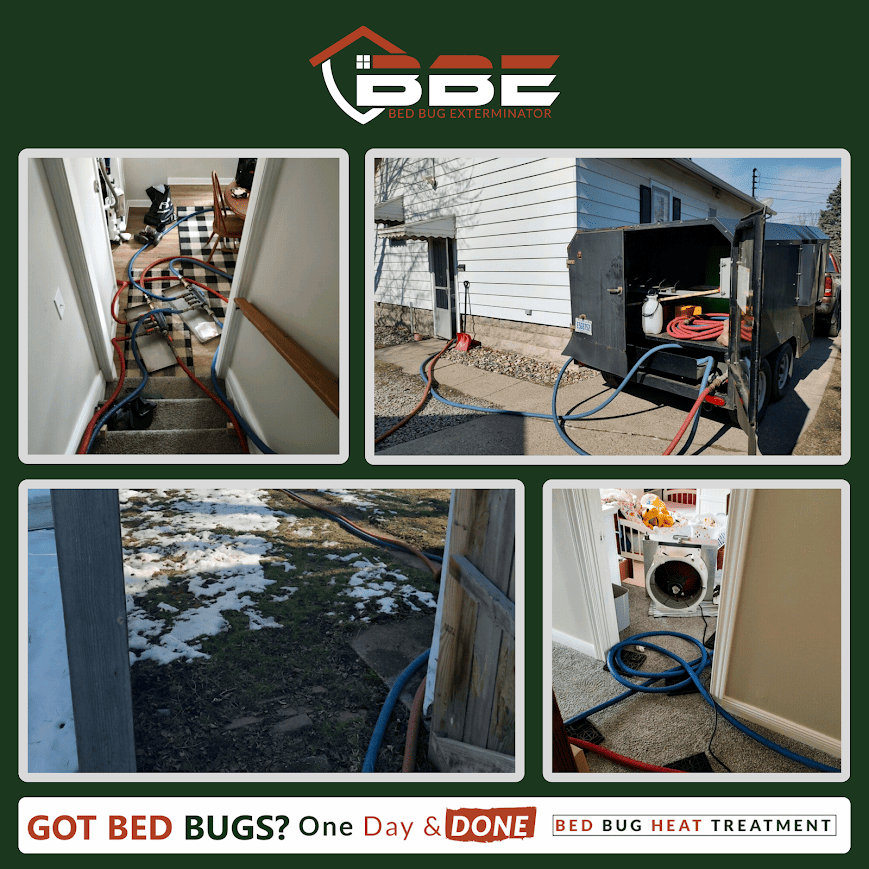
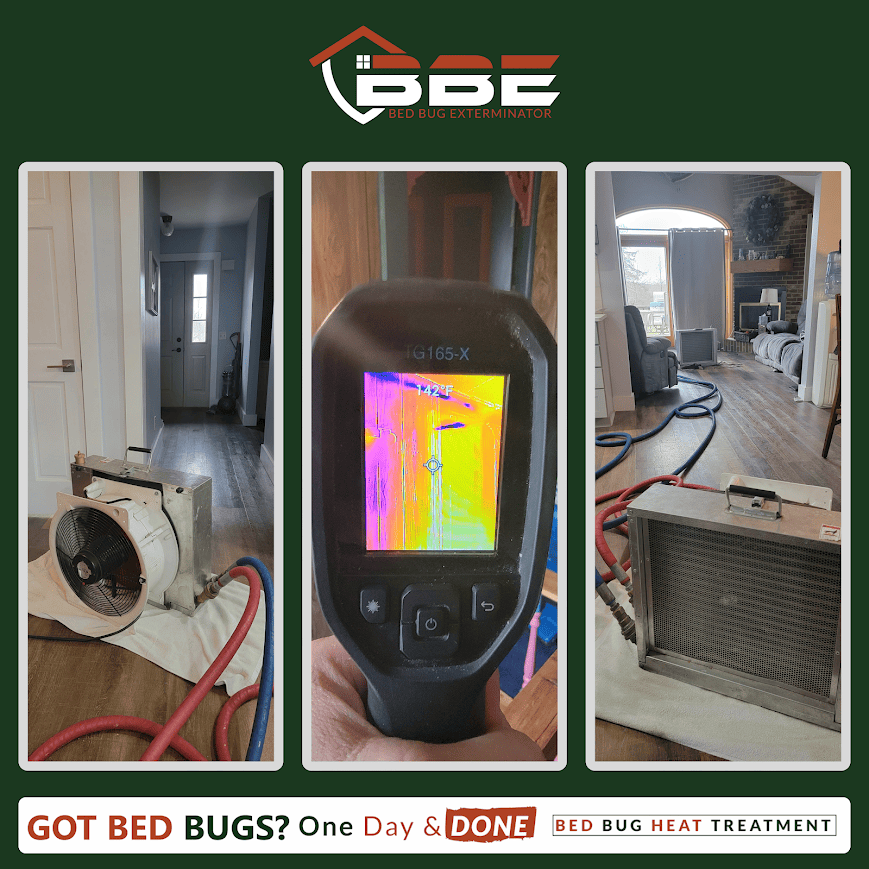
How does heat treatment effectively eradicate bed bugs? This method utilizes high temperatures, typically ranging from 120°F to 140°F, to eliminate bed bugs at all life stages-eggs, nymphs, and adults. The process involves heating the affected area, including furniture, bedding, and carpets, ensuring even heat distribution. Specialized equipment, such as heaters and thermal imaging devices, is employed to monitor temperatures and guarantee effectiveness.
As the temperature rises, bed bugs are unable to survive prolonged exposure, leading to their rapid demise. Unlike chemical treatments, which may leave behind residues and require multiple applications, heat treatment provides a one-time solution that penetrates deep into hiding spots.
This eradication method is also environmentally friendly, eliminating the need for toxic pesticides. By focusing on temperature control and thorough coverage, heat treatment proves to be a reliable option for those seeking to eliminate bed bug infestations.
Effective pest elimination requires a careful evaluation of treatment methods, particularly when comparing heat treatment to chemical solutions. Heat treatment effectively raises temperatures to levels lethal to bed bugs and their eggs, ensuring complete eradication without leaving harmful residues.
Unlike chemical treatments, which may require multiple applications and can lead to resistance, heat treatment offers a single-session solution. Additionally, heat penetrates difficult-to-reach areas where bed bugs often hide, providing thorough coverage. In contrast, chemical solutions may fail to eliminate all pests, necessitating follow-up treatments.
Moreover, heat treatment is less likely to cause health risks associated with chemical exposure for residents and pets. Overall, the efficacy of heat treatment positions it as a superior method for effective pest elimination.
When considering pest control methods, the eco-friendly benefits of heat treatment stand out in contrast to chemical solutions. Heat treatment effectively eliminates bed bugs without the use of pesticides, which can pose health risks to humans and pets. This method utilizes elevated temperatures to eradicate pests at all life stages, ensuring a thorough approach.
Unlike chemical treatments, heat does not leave behind harmful residues, making it safer for the environment and indoor spaces. Additionally, heat treatment reduces the risk of developing pesticide-resistant bed bugs, a growing concern with repeated chemical applications.
Overall, heat treatment offers a sustainable and non-toxic alternative, aligning with an increasing demand for environmentally responsible pest management strategies.
Durability in pest control methods is an essential factor for homeowners seeking long-term solutions for bed bug infestations. Heat treatment offers a significant advantage over chemical methods, providing extensive eradication of all life stages of bed bugs, including eggs.
Unlike chemicals, which may leave behind resistant populations, heat effectively raises the temperature to a lethal level, ensuring that no bugs survive. This method not only eliminates the immediate problem but also reduces the likelihood of future infestations.
Additionally, heat treatment does not involve the potential health risks associated with chemical residues, making it a safer option for families and pets. As a result, homeowners can enjoy prolonged peace of mind, knowing that their bed bug issues have been thoroughly addressed.
The appeal of heat treatment for bed bugs lies not only in its effectiveness but also in its safety profile. One significant advantage is the absence of chemical residues, making it a suitable option for homes with children, pets, or individuals with sensitivities.
Traditional pest control methods often involve toxic substances that can linger in the environment, posing health risks long after treatment. In contrast, heat treatment eliminates bed bugs by raising temperatures to lethal levels, ensuring that no harmful chemicals remain in the living space.
This method not only protects the health of residents but also minimizes the risk of contamination to furniture and belongings. Consequently, heat treatment offers a safer alternative to chemical-based solutions in the battle against bed bugs.
Bed bugs can survive in extreme cold temperatures, but prolonged exposure below 0�F (-18�C) can be lethal. Typically, they require a sustained duration of cold to effectively eliminate them from an environment.
Heat treatment typically requires six to eight hours to effectively eliminate bed bugs. This process guarantees that temperatures reach lethal levels throughout infested areas, providing a thorough solution to eradicate these pests efficiently.
It is advisable to schedule pest control services for bed bugs every few weeks initially, then shift to every few months for maintenance. Regular inspections guarantee effective management and prevent reinfestation in the long term.